
Tax Season: What to Know as the Year Comes to a Close
December 15, 2025
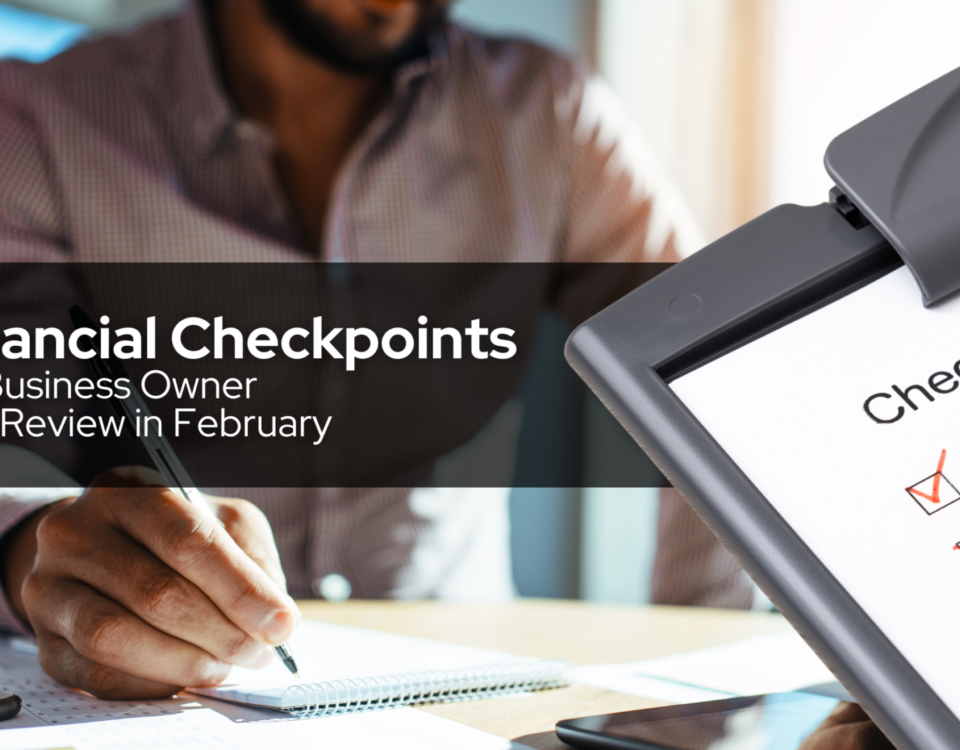
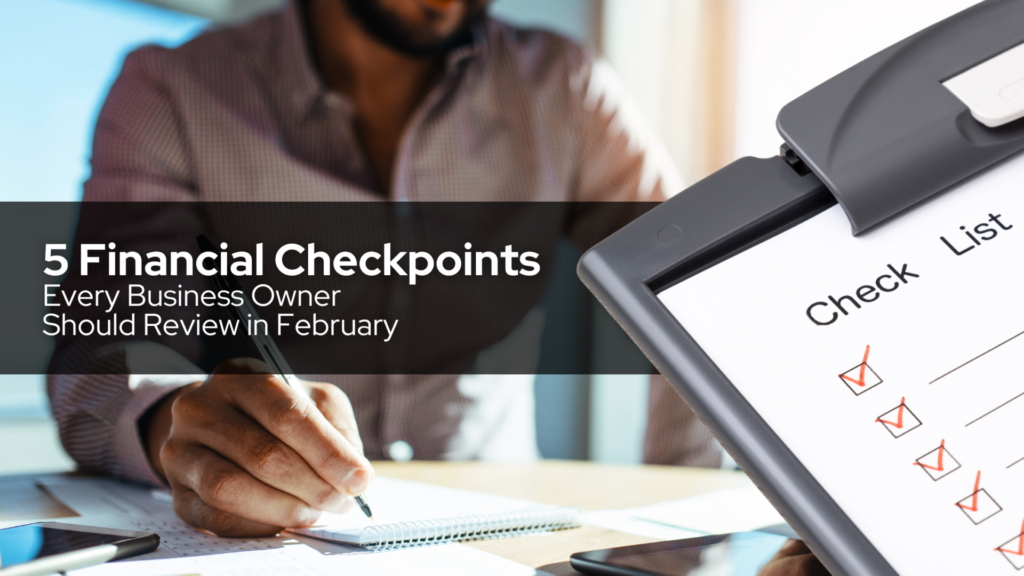
Five Financial Checkpoints Every Business Owner Should Review in February
February 17, 2026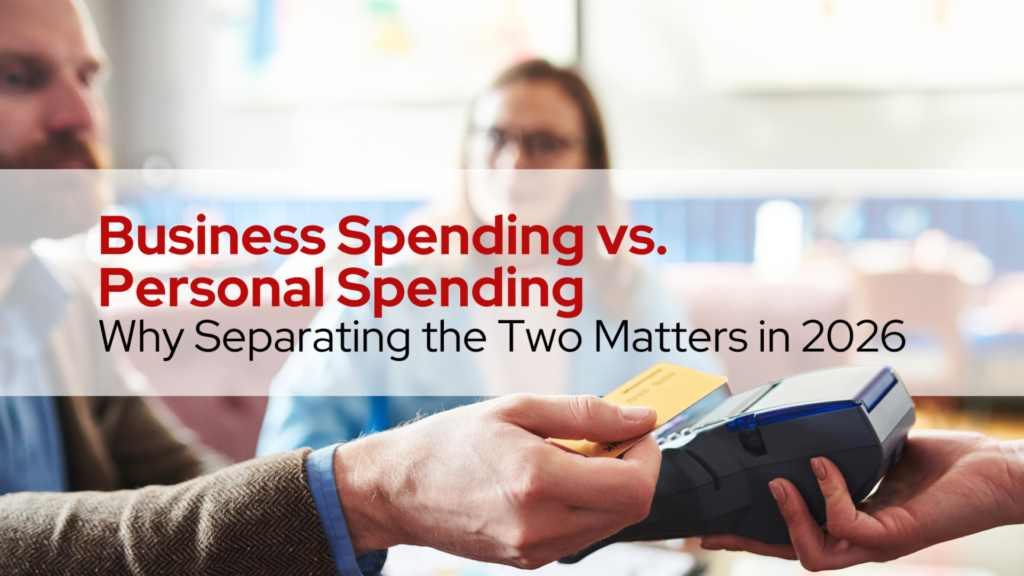
Running a small business often means wearing multiple hats — and sometimes, that leads to blurred lines between business spending vs. personal spending. But mixing the two can create real problems when it comes to taxes, record-keeping, and long-term financial clarity.
As we head into 2026, now is the ideal time to revisit how you’re handling expenses and make sure your business spending stays separate from your personal spending.
Why the Separation Matters
Keeping business and personal finances separate isn’t just a best practice — it protects you in several important ways:
- Cleaner tax filings: Clear records reduce errors, missed deductions, and IRS scrutiny.
- Stronger audit protection: Mixed expenses can raise red flags during audits or reviews.
- Better financial decisions: Accurate books give you a true picture of profitability and cash flow.
- Legal protection: For LLCs and corporations, separation helps preserve liability protections.
When personal and business expenses overlap, it becomes harder to justify deductions and easier to make costly mistakes.
Common Ways Spending Gets Mixed
Even well-intentioned business owners can fall into these traps:
- Using a personal credit card for business purchases
- Paying personal bills from a business account “just this once”
- Deducting meals, travel, or vehicle expenses without proper documentation
- Blending subscriptions or technology used for both work and personal life
Over time, these small choices add up — and complicate both bookkeeping and tax preparation.
What Counts as a Business Expense?
A business expense generally must be ordinary and necessary for your business. Examples include:
- Office supplies and equipment
- Software and professional subscriptions
- Business mileage and travel (when properly documented)
- Marketing, advertising, and website costs
- Professional services such as legal, accounting, or consulting
Personal expenses — even if they indirectly support your ability to work — are typically not deductible.
Best Practices for 2026
Start the year strong with these simple steps:
- Maintain separate bank accounts and credit cards for your business
- Pay yourself intentionally, either through payroll or owner draws
- Use accounting software to track expenses consistently
- Keep receipts and notes explaining business purpose
- Review expenses monthly to catch issues early
Consistency throughout the year makes tax season far smoother.
When Grey Areas Come Up
Some expenses — like home office costs, vehicles, or cell phones — can fall into grey areas. These require careful allocation and documentation to ensure deductions are appropriate and defensible.
This is where proactive planning with your CPA matters most.
How Anderson, Adkins & Crawford Can Help
We work closely with business owners to ensure their spending is structured correctly, documented properly, and aligned with tax regulations. Whether you need help cleaning up your books, setting up better systems, or planning ahead for deductions, our team can help you avoid costly mistakes before they happen.
If you have questions about business versus personal expenses, now is the time to address them — not after the year is over.
📞 Contact Anderson, Adkins & Crawford to schedule a planning conversation and start 2026 with confidence.