
Adjusted Gross Income Explained
April 21, 2026
Five Financial Red Flags Business Owners Should Never Ignore
June 17, 2026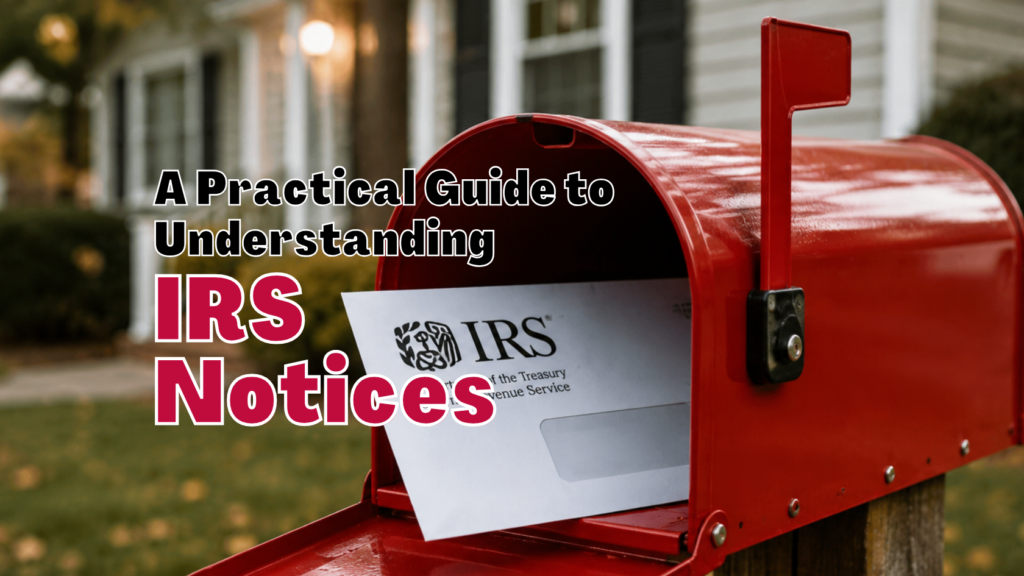
Tax season may be over, but that doesn’t always mean tax-related stress disappears with it. For many individuals and business owners, IRS notices begin arriving weeks or even months after returns are filed. While receiving a letter from the IRS can feel intimidating, it’s important to remember that not every notice means something is seriously wrong. In many cases, the IRS is simply requesting clarification, correcting information, verifying identity, or notifying taxpayers about a balance due.
First Things First: Don’t Ignore It
The most important thing you can do is avoid setting the notice aside. Open it promptly, read it carefully, and pay attention to any deadlines included. Compare the information in the letter with your filed tax return and supporting records. Many notices can be resolved relatively quickly when addressed early, but delays can sometimes lead to additional penalties, interest, or unnecessary stress.
Common Reasons for Receiving IRS Notices
Some of the most common IRS notices involve:
• Processing adjustments or math corrections
• Missing or mismatched income information
• Identity verification requests
• Requests for additional documentation
• Balance due notifications or payment reminders
Sometimes the IRS catches a simple error or receives information from an employer, bank, or investment company that does not fully match what was reported on the return. Other notices may simply request clarification or supporting records.
Stay Organized Throughout the Process
If you receive a notice, staying organized is critical. Be sure to keep copies of:
• The IRS notice itself
• Your filed tax return
• Supporting tax documents and receipts
• Payment confirmations
• Notes from phone calls or correspondence
Good recordkeeping not only helps resolve current issues more efficiently, but also makes future tax seasons significantly easier.
One mistake taxpayers sometimes make is overcomplicating their response. In most situations, you should only provide the information specifically requested by the IRS. Sending unnecessary paperwork can slow the process and create additional confusion.
Why Personalized CPA Support Matters for IRS Notices
This is where working with a responsive CPA firm can make a significant difference. Larger firms can sometimes leave clients feeling like just another file number, especially during busy tax seasons.
At Anderson, Adkins & Crawford, our smaller-firm approach allows us to provide personalized service and direct communication tailored to each client’s situation. Whether you receive an IRS notice, need help organizing tax records, or want proactive planning guidance, our team takes the time to understand your needs and help you move forward with confidence.
Simple Ways to Stay Prepared Year-Round
Staying organized after tax season is one of the best ways to reduce future problems. A few simple habits can go a long way:
• Save tax documents throughout the year instead of waiting until filing season
• Keep business expense records updated monthly
• Track major financial or life changes that may impact taxes
• Review IRS or state tax mail promptly
• Schedule periodic tax planning meetings with your CPA
Receiving an IRS notice can feel stressful, but most situations are manageable when handled promptly and professionally. Staying organized, responding early, and having a trusted CPA in your corner can make the process much smoother.
If you have questions about an IRS notice or want year-round tax support, contact Anderson, Adkins & Crawford at 706-288-2000 or info@augustacpas.com.